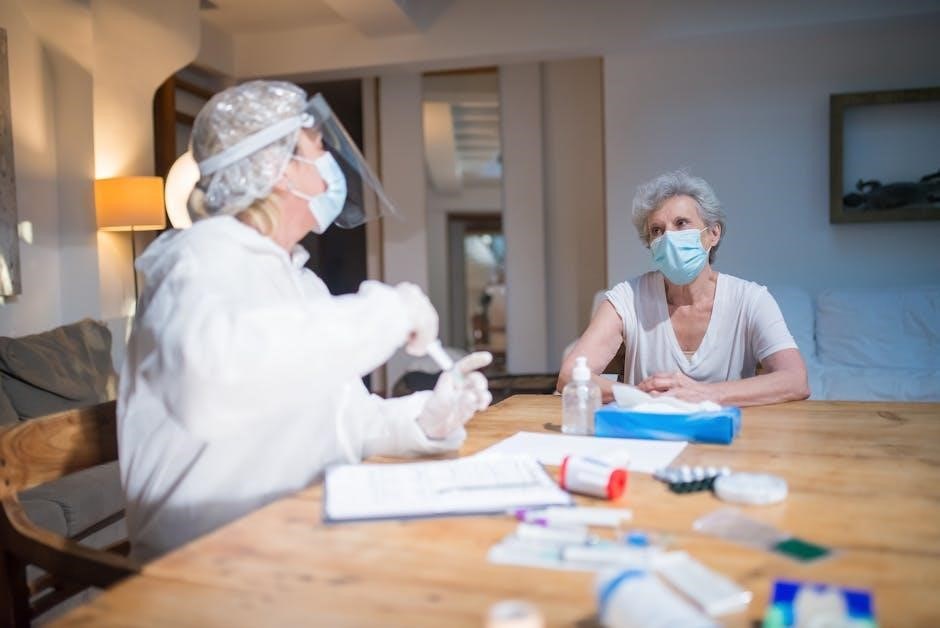
Hospital social work is a vital healthcare component, addressing psychosocial factors impacting patient well-being and recovery within complex medical environments.
Social workers bridge clinical care with emotional and social needs, ensuring holistic support for individuals and families navigating illness.
Their role focuses on compliance with treatment, easing doctor-patient relationships, and advocating for personalized, rights-based patient care throughout the hospital stay.
The Growing Importance of Psychosocial Care
The increasing recognition of the profound link between mental, emotional, and social well-being and physical health fuels the growing importance of psychosocial care in hospitals.
Historically, healthcare prioritized solely physical ailments; however, modern medicine acknowledges that addressing psychosocial determinants—like stress, trauma, and social isolation—significantly impacts treatment outcomes.
Hospital social workers are uniquely positioned to assess these factors, providing crucial interventions to mitigate their negative effects.
This includes supporting patients’ emotional adjustment to illness, facilitating family communication, and connecting individuals with vital community resources.
Furthermore, psychosocial care enhances patient adherence to medical recommendations, ultimately leading to improved health and reduced healthcare costs.
The demand for these services continues to rise as healthcare systems embrace a more holistic, patient-centered approach.
Defining the Role of a Hospital Social Worker
Hospital social workers function as essential members of interdisciplinary healthcare teams, bridging the gap between medical treatment and a patient’s psychosocial needs.
Their core role involves assessing patients’ emotional, social, and financial circumstances that may impact their health and recovery journey.
This encompasses providing counseling, crisis intervention, and support to patients and their families navigating challenging diagnoses and treatment plans.
Crucially, they advocate for patient rights, ensuring access to necessary resources and personalized care aligned with individual values and preferences.
Social workers also facilitate effective communication between patients, physicians, and other healthcare professionals, promoting collaborative decision-making.
Ultimately, they strive to empower patients to actively participate in their care and achieve optimal well-being.

Core Responsibilities of Hospital Social Workers
Hospital social workers expertly conduct psychosocial assessments, coordinate care, advocate for patients, and navigate complex systems to ensure holistic support and positive outcomes.
Psychosocial Assessment and Intervention
Psychosocial assessments form the cornerstone of hospital social work practice, meticulously evaluating a patient’s emotional, social, and environmental factors influencing their health journey.
These comprehensive evaluations delve into coping mechanisms, support systems, mental health status, and potential barriers to recovery, providing a nuanced understanding of individual needs.
Intervention strategies are then tailored to address identified challenges, encompassing counseling, crisis intervention, grief support, and resource linkage.
Social workers empower patients and families to navigate difficult diagnoses, treatment plans, and transitions of care, fostering resilience and promoting optimal well-being.
They skillfully regulate the doctor-patient relationship, ensuring clear communication and shared decision-making, ultimately enhancing the overall healthcare experience.
Care Coordination and Discharge Planning
Care coordination is a central function of hospital social work, ensuring seamless transitions between hospital care and post-discharge support systems.
Social workers collaborate closely with interdisciplinary teams – physicians, nurses, and other healthcare professionals – to develop individualized discharge plans addressing complex patient needs.
This involves arranging necessary medical equipment, home healthcare services, and connecting patients with community resources like support groups and financial assistance programs.
Discharge planning proactively addresses potential challenges, such as medication management, transportation, and housing instability, minimizing readmission risks.
They help patients comply with treatment recommendations, advocating for their rights to personalized care and ensuring a safe and supported return to their lives.
Advocacy for Patient Rights and Needs
Patient advocacy forms a cornerstone of the hospital social worker’s role, championing individuals’ rights to dignified, respectful, and personalized healthcare.
Social workers ensure patients understand their medical conditions, treatment options, and associated risks, empowering informed decision-making.
They navigate complex healthcare systems on behalf of patients, addressing barriers to access and advocating for necessary services, particularly for vulnerable populations.
This includes assisting with insurance issues, appealing denied claims, and connecting patients with financial assistance programs to alleviate economic burdens.
Social workers also address ethical concerns, ensuring patient autonomy and facilitating communication between patients, families, and medical teams.

Specific Areas of Practice
Hospital social work extends into specialized fields like oncology, emergency departments, and palliative care, offering targeted support during critical health journeys.
These roles demand nuanced skills to address unique psychosocial challenges within each medical specialty and patient population.
Medical Social Work in Oncology
Oncology social workers provide crucial support to patients and families facing cancer diagnoses, treatment, and survivorship challenges. They address the profound emotional, social, and practical impacts of the disease.
This includes assisting with coping mechanisms, grief counseling, and navigating complex healthcare systems. They facilitate communication between patients, families, and medical teams, ensuring informed decision-making.
Social workers also connect patients with vital resources like financial assistance, support groups, and transportation services. They advocate for patient rights and address barriers to care, promoting equitable access to oncology services.
Furthermore, they offer end-of-life support, helping patients and families navigate advanced care planning and bereavement. Their holistic approach enhances quality of life throughout the cancer journey.
Social Work in Emergency Departments
Emergency Department (ED) social workers are frontline responders to crisis situations, providing immediate psychosocial support to patients and their families during times of acute stress and trauma.
They conduct rapid assessments to identify patients experiencing mental health crises, substance use disorders, domestic violence, or homelessness, connecting them with appropriate resources.
Social workers facilitate crisis intervention, de-escalation techniques, and safety planning, ensuring patient well-being and preventing further harm; They collaborate with medical staff to address social determinants of health impacting ED visits.
Furthermore, they assist with discharge planning, linking patients to follow-up care, community services, and support networks, reducing readmission rates and promoting long-term stability.
Palliative and End-of-Life Care Support
Social workers play a crucial role in palliative and end-of-life care, providing comprehensive support to patients and families facing life-limiting illnesses. They offer emotional counseling, grief support, and assistance with navigating complex medical decisions.
Social workers facilitate advance care planning discussions, ensuring patients’ wishes regarding treatment and care are honored, and assist with completing necessary legal documentation.
They connect families with hospice services, respite care, and bereavement support, easing the burden of caregiving and promoting quality of life.
Experienced physicians recognize the tremendous value social workers add to interdisciplinary teams, offering a holistic approach that addresses the psychosocial, emotional, and spiritual needs of patients during this sensitive time.

Qualifications and Education
Hospital social workers typically require a Master of Social Work (MSW) degree from an accredited program, alongside current state licensure as a Licensed Social Worker.
Required Degrees: MSW Accreditation
A Master of Social Work (MSW) degree is fundamentally required for practice as a hospital social worker, ensuring a standardized level of education and competency. Accreditation by the Council on Social Work Education (CSWE) is paramount, validating the program’s quality and adherence to professional standards.
MSW programs provide comprehensive training in psychosocial assessment, intervention techniques, human behavior, and social policy – all crucial for navigating the complexities of hospital environments. Coursework often includes specialized practicum placements within healthcare settings, offering invaluable real-world experience.
The curriculum prepares social workers to address the diverse needs of patients and families facing medical challenges, fostering skills in crisis intervention, grief counseling, and discharge planning. Obtaining an MSW is the foundational step towards licensure and professional practice.
Licensure and Certification Requirements
State licensure is legally mandated for hospital social workers, ensuring public protection and professional accountability. Requirements vary by state, typically involving a supervised clinical practice period after obtaining an MSW, followed by passing a rigorous examination.
Common credentials include Licensed Clinical Social Worker (LCSW) or Licensed Independent Clinical Social Worker (LICSW), granting the authority to provide independent clinical services. Maintaining licensure necessitates ongoing continuing education to stay current with best practices.
Additional certifications, while often voluntary, can demonstrate specialized expertise. These may focus on areas like oncology, geriatrics, or palliative care, enhancing credibility and demonstrating commitment to advanced knowledge within specific hospital settings.

Challenges Faced by Hospital Social Workers
Hospital social workers navigate ethical dilemmas in discharge planning, manage heavy workloads, and experience emotional burnout within complex healthcare systems, demanding resilience.
Ethical Dilemmas in Discharge Decisions
Hospital social workers frequently encounter complex ethical challenges, particularly surrounding patient discharge. A significant dilemma arises when pressure exists to discharge patients to care homes, even when their capacity to make informed decisions is questionable.
Balancing patient autonomy with resource constraints and institutional expectations creates moral distress. Social workers must advocate for patient rights, ensuring individuals receive appropriate levels of care and support post-hospitalization.
Navigating these situations requires careful assessment of cognitive abilities, consideration of family dynamics, and adherence to legal and ethical guidelines, often involving multidisciplinary team collaboration to reach the most ethical outcome.
These dilemmas highlight the critical role of the social worker as a patient advocate and ethical decision-maker within the healthcare system.
Managing Workload and Emotional Burnout
Hospital social work is emotionally demanding, exposing professionals to significant stress and potential burnout. The intensity of dealing with patient suffering, complex family dynamics, and challenging discharge situations contributes to a heavy emotional toll.
High caseloads and administrative burdens further exacerbate the risk of burnout, impacting social workers’ well-being and ability to provide optimal care. Supervision is crucial, offering a space to process difficult emotions and receive support.
Self-care strategies, professional development, and access to peer support networks are essential for mitigating burnout and maintaining resilience in this demanding field.
Organizations must prioritize workload management and provide resources to support the emotional health of their social work staff.
Navigating Complex Healthcare Systems
Hospital social workers operate within intricate healthcare systems, requiring adeptness at navigating bureaucratic processes, insurance regulations, and a multitude of service providers. Understanding discharge planning complexities, including continuing healthcare access, is paramount.
They act as liaisons, connecting patients and families with necessary resources, advocating for appropriate levels of care, and resolving systemic barriers to access. This often involves collaborating with multidisciplinary teams – physicians, nurses, and other professionals.
Effective communication and a thorough grasp of available community support are vital for successful patient transitions and ensuring continuity of care post-discharge.
Social workers’ expertise streamlines processes and improves patient outcomes within these challenging systems.

Collaboration and Interdisciplinary Teams
Social workers are integral team members, collaborating with physicians, nurses, and professionals in multidisciplinary meetings to deliver comprehensive patient-centered care.
Their insights enhance care plans, ensuring psychosocial needs are addressed alongside medical treatments for optimal outcomes;
Working with Physicians and Nurses
Hospital social workers establish strong collaborative relationships with physicians and nurses, functioning as crucial communication links within the healthcare team.
They assist patients in understanding and adhering to physician’s treatment recommendations, fostering a positive doctor-patient dynamic and improving overall care compliance.
Social workers provide valuable insights into a patient’s psychosocial context – including family dynamics, emotional state, and support systems – which directly impacts their health trajectory.
This information helps physicians and nurses tailor treatment plans to address the whole person, not just the illness.
Furthermore, social workers can alleviate burdens on medical staff by addressing non-clinical needs, allowing them to focus on specialized medical care.
Effective communication and mutual respect are paramount in these partnerships, ensuring seamless and coordinated patient care.
Collaboration with Other Healthcare Professionals
Hospital social workers actively collaborate with a diverse range of healthcare professionals, extending beyond physicians and nurses to include specialists like physical therapists, occupational therapists, and dietitians.
Participation in multidisciplinary meetings is central to this collaboration, allowing social workers to contribute their unique perspective on a patient’s psychosocial needs and barriers to recovery.
They work closely with case managers to ensure continuity of care, particularly during discharge planning, coordinating resources and support services for patients transitioning home or to other facilities.
Collaboration with chaplains provides holistic spiritual support, while partnerships with palliative care teams address end-of-life concerns.
Effective teamwork and open communication are essential for delivering comprehensive, patient-centered care.
This interprofessional approach optimizes patient outcomes and enhances the overall quality of healthcare services.
Participation in Multidisciplinary Meetings
Multidisciplinary meetings are a cornerstone of hospital social work practice, providing a crucial forum for collaborative care planning. Social workers contribute a vital psychosocial perspective, often highlighting factors impacting a patient’s adherence to treatment or recovery trajectory.
During these meetings, they advocate for patient needs, ensuring that emotional, social, and financial concerns are addressed alongside medical interventions.
Social workers share assessments of family dynamics, coping mechanisms, and potential barriers to discharge, informing the team’s overall strategy.
They collaborate with physicians, nurses, and other specialists to develop comprehensive care plans tailored to each patient’s unique circumstances.
Active participation ensures holistic care and facilitates effective communication among all team members.

This collaborative approach optimizes patient outcomes and promotes a coordinated, patient-centered healthcare experience.

Legal and Ethical Considerations
Hospital social workers must uphold patient confidentiality, adhering to HIPAA regulations, and fulfill mandatory reporting obligations while navigating complex ethical dilemmas.
Patient Confidentiality and HIPAA Compliance
Hospital social workers operate under strict legal and ethical guidelines, primarily governed by the Health Insurance Portability and Accountability Act (HIPAA). Maintaining patient confidentiality is paramount; social workers must safeguard protected health information (PHI) during all interactions.
This includes verbal communications, documentation in medical records, and electronic data storage. Sharing PHI requires explicit patient consent, or when legally mandated for reporting purposes – such as suspected abuse or threats to safety.
Social workers receive training on HIPAA regulations and organizational policies to ensure compliance. Breaches of confidentiality can result in severe penalties, highlighting the critical importance of diligent adherence to these standards in practice.
Mandatory Reporting Requirements
Hospital social workers are legally obligated to report specific situations, even against a patient’s wishes, due to mandatory reporting requirements. These primarily involve suspected child abuse or neglect, elder abuse, and threats of harm to self or others.
Reporting protocols vary by state, but generally require immediate notification to designated authorities – such as child protective services or law enforcement. Social workers must balance patient confidentiality with their duty to protect vulnerable individuals.
Documentation of suspected abuse and the reporting process is crucial. Failure to report when legally required can result in legal repercussions. Understanding these obligations is a core ethical and legal responsibility for hospital social work professionals.

Resources and Support for Hospital Social Workers
Professional organizations and networks offer vital support, alongside continuing education, fostering skill development and addressing the unique challenges faced in hospital settings.
Professional Organizations and Networks
Hospital social workers benefit immensely from engaging with professional organizations designed to support their specialized practice. The National Association of Social Workers (NASW) stands as a primary resource, offering advocacy, continuing education, ethical guidance, and professional development opportunities.
These networks facilitate peer support, allowing social workers to share experiences, discuss challenging cases, and learn from one another’s expertise. Participation in specialized groups, such as those focused on oncology or palliative care, provides targeted knowledge and resources.
Furthermore, state-level social work societies offer local networking events, legislative updates, and opportunities to influence healthcare policy, strengthening the profession and improving patient care within hospital environments.
Continuing Education Opportunities

Hospital social work demands ongoing professional development to navigate evolving healthcare landscapes and complex patient needs. Numerous continuing education (CE) opportunities are available, ensuring social workers maintain competence and ethical standards.
NASW offers a wide array of online and in-person workshops covering topics like trauma-informed care, crisis intervention, and medical ethics. Specialized training in areas such as palliative care or oncology social work enhances expertise.
Hospitals frequently provide internal training programs, and universities offer advanced coursework. CE credits are crucial for license renewal, demonstrating a commitment to lifelong learning and providing the best possible psychosocial support to patients and their families.
Leave a Reply